
How to Alarm People by Healing

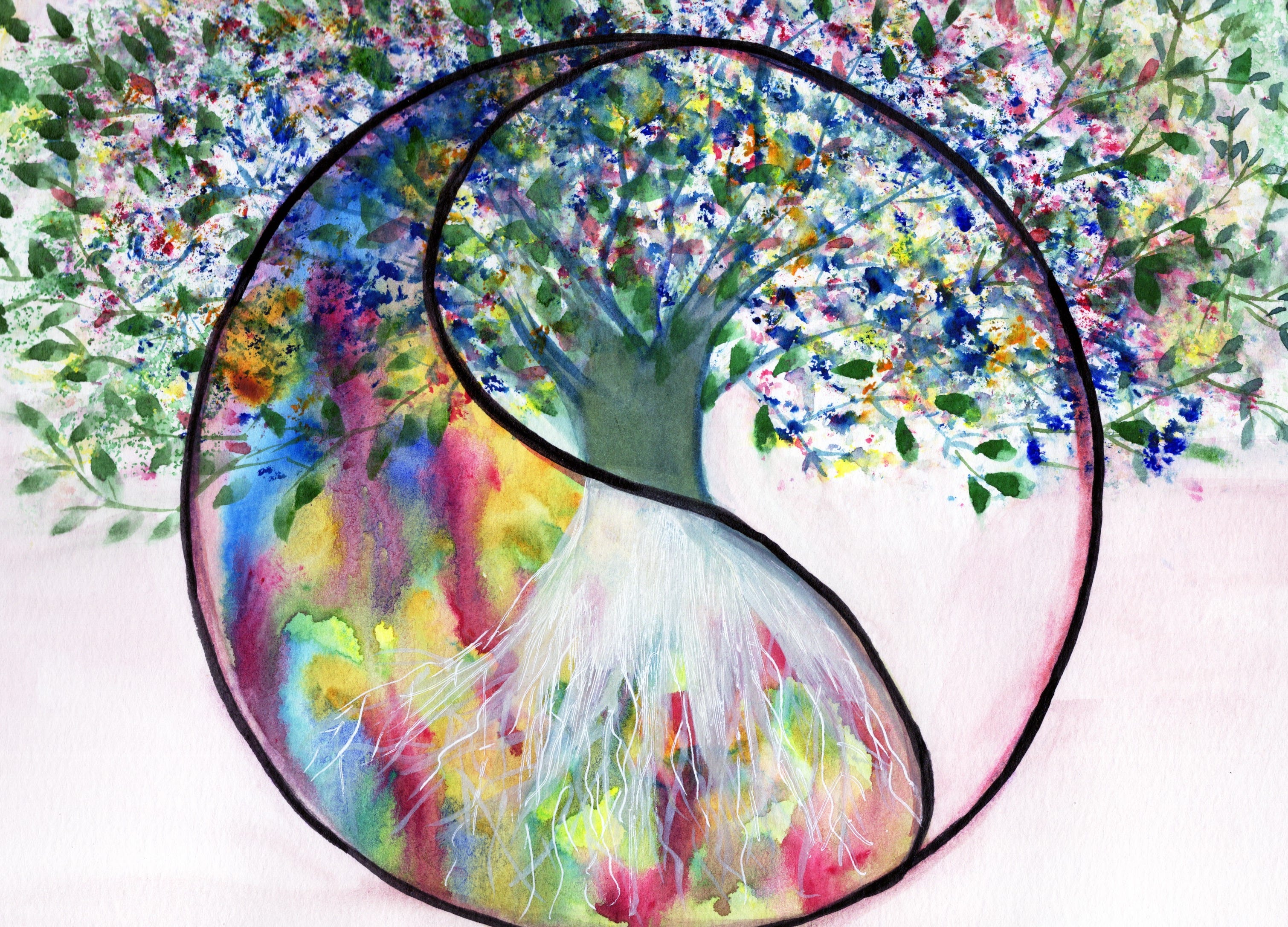
I have noticed that the world grows slightly uneasy when one stops folding oneself into convenient shapes.
I say this with affection, because I have been on both sides of this peculiar arrangement. I have folded myself for rooms, for relationships, for expectations, and occasionally for people who did not require it in the first place. Human beings are remarkably talented at origami. Some of us have folded ourselves into such impressive configurations that if self-erasure were an Olympic event, we would have made the podium.
I think many of us become expert folders. We fold ourselves around schedules, responsibilities, and other people’s comfort. We become smaller in conversations. We lower our voices. We apologise before asking for what we need. Some of us become so adept at this arrangement that we mistake the folding for our personality.
Then something happens.
Life intervenes. Grief arrives. Disappointment pulls up a chair. A difficult season sends us indoors for a while and introduces us to ourselves.
We begin the quiet work of mending.
It is not glamorous work. There are no certificates for recalibration. Nobody presents us with a commemorative plaque that reads, “Congratulations on having an uncomfortable but necessary reckoning with yourself.”
Mostly there is thinking. Reading. Walking. Crying over things that seem entirely unrelated. Rearranging priorities. Taking long showers. Learning that boundaries are not a form of aggression and that exhaustion is not a personality trait.
Healing, I have discovered, is largely an exercise in unfolding. It is the slow and occasionally inconvenient business of reclaiming corners of oneself that had been tucked away for safekeeping.
The trouble with unfolding is that one occupies more space.
Not necessarily physical space. One simply becomes more present. One has opinions. Boundaries. Preferences. One begins saying things like, “No, thank you,” and means it the first time. One declines invitations without fabricating an elaborate scheduling conflict. One buys the good olive oil because one has finally accepted that special occasions are notoriously unreliable. This can be startling for everyone involved, including oneself.
This, apparently, is where audacity enters the conversation.
I have always found this rather funny.
We tell people to heal. We encourage them to know their worth, find themselves, and live authentically. Entire bookshelves have been built on this advice. Yet the moment someone begins doing precisely that, we look up from our tea and think, “Well. This is new.”
I have come to suspect that what we often call audacity is merely the visible portion of invisible work. The years of grieving, reflecting, questioning, forgiving, and rebuilding happen underground. By the time someone emerges with a straighter spine and a steadier voice, the labour itself is already complete. Others encounter only the finished renovation and assume it happened overnight.
They do not see the years spent underground. They simply encounter someone saying, “Actually, I prefer this,” and conclude that the person has become rather audacious.
I wonder if we have all done this to one another. I know I have.
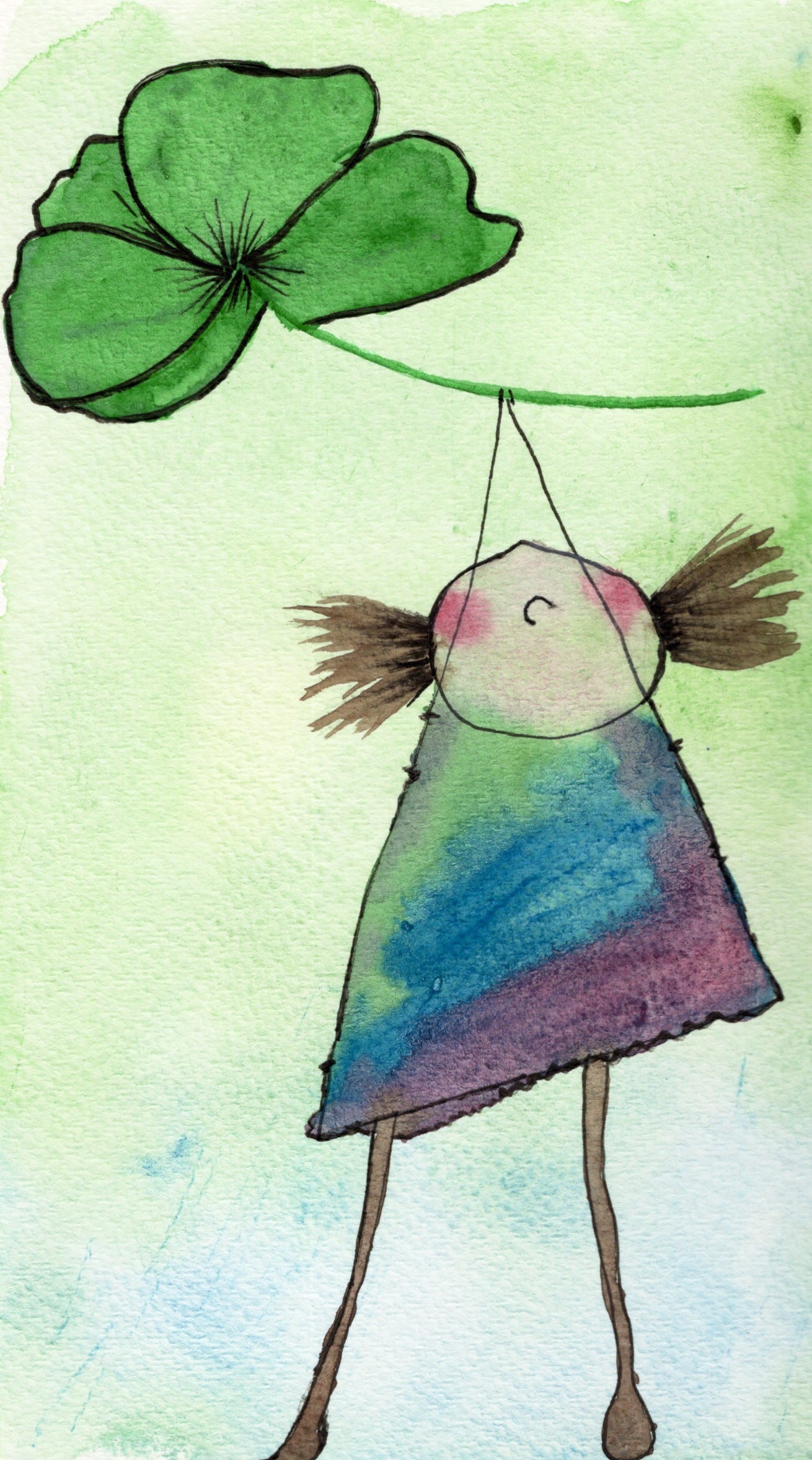
When I did not know any better, and before my own nervous system had been shocked into unfamiliar waters, I occasionally mistook someone’s newfound ease for confidence, or their boundaries for boldness. I did not realise I was simply witnessing a person becoming more at home within themselves. It was only after I found myself aboard the ferry of healing, crossing choppy and occasionally violent seas, that I began to understand the difference.
These days, when I encounter someone who seems a little more assured, a little less apologetic, a little more willing to occupy their own life, I find myself cheering quietly for them.
Because I know something of the work that may have preceded it.
I know there may have been grief. There may have been disappointment. There may have been long walks, difficult conversations, uncomfortable truths, and perhaps one or two evenings spent staring into a cup of tea while conducting an unscheduled review of one’s entire existence.
I know because I have been there.
Truthfully, I still visit from time to time.
Self-reflection, I have discovered, is not a home improvement project with a grand unveiling and a ribbon-cutting ceremony. It is closer to gardening. Or housekeeping. One tidies a corner, pulls a few weeds, admires one’s efforts, and then discovers another box one had carefully tucked away, waiting patiently to be unpacked.
And so I keep going.
I keep unfolding.
I keep discovering places where I have become smaller than necessary and gently inviting myself back into fuller dimensions.
I wonder if you have done this too. I wonder if there is some small corner of your life where you have become smaller than necessary. I wonder if there is a preference you have tucked away, a boundary you have postponed, or a dream you have carefully folded and placed on a shelf for later.
If you happen to be in the middle of an unfolding, I hope you continue.
I hope you keep going, even if it confuses people for a while.
I hope you order the good tea. Wear the bright colour. Take up the class. Say no without writing an accompanying thesis. Say yes without immediately apologising for your enthusiasm.
Perhaps that is why I feel tenderness when I witness someone else doing the same.
I do not see audacity.
I see labour. I see courage. I see a person who has decided, perhaps after much sorrow and considerable thought, that they will no longer occupy the smallest possible version of themselves simply because it made everyone else comfortable.
I cannot help but applaud.
These days, I find myself less interested in becoming more and more of something. More successful. More accomplished. More interesting. I find myself far more interested in becoming less folded.
There is a quiet relief in it.
One stands a little straighter. One breathes a little easier. One laughs more readily. One stops mistaking self-erasure for kindness and exhaustion for virtue.
If this occasionally alarms people, I suppose I understand.
After all, when someone has known us only in our folded form, our unfolding can seem quite extraordinary.
To the person doing the unfolding, however, it feels much simpler.
It feels less like reinvention and more like remembering.
It feels like coming home.
Seemingly long ago, in my own internal terrain, I termed this human phenomenon 'pretzeling.' It's lovely to understand how you conceive it.
- "I keep discovering places where I have become smaller than necessary and gently inviting myself back into fuller dimensions."
What worthy exploration. I will carry this invitation forward with me as well.
- "One stops mistaking self-erasure for kindness and exhaustion for virtue."
Oof. This has taken me such a very long time to learn (and relearn...).
Love to you. 🙏
I love your analogy of folding and unfolding💕. It captures self-abandonment so beautifully, not as one dramatic act, but as all the tiny ways we make ourselves smaller to keep the peace. And healing as unfolding feels so true. Not becoming someone new, but slowly coming home to yourself. 🫶